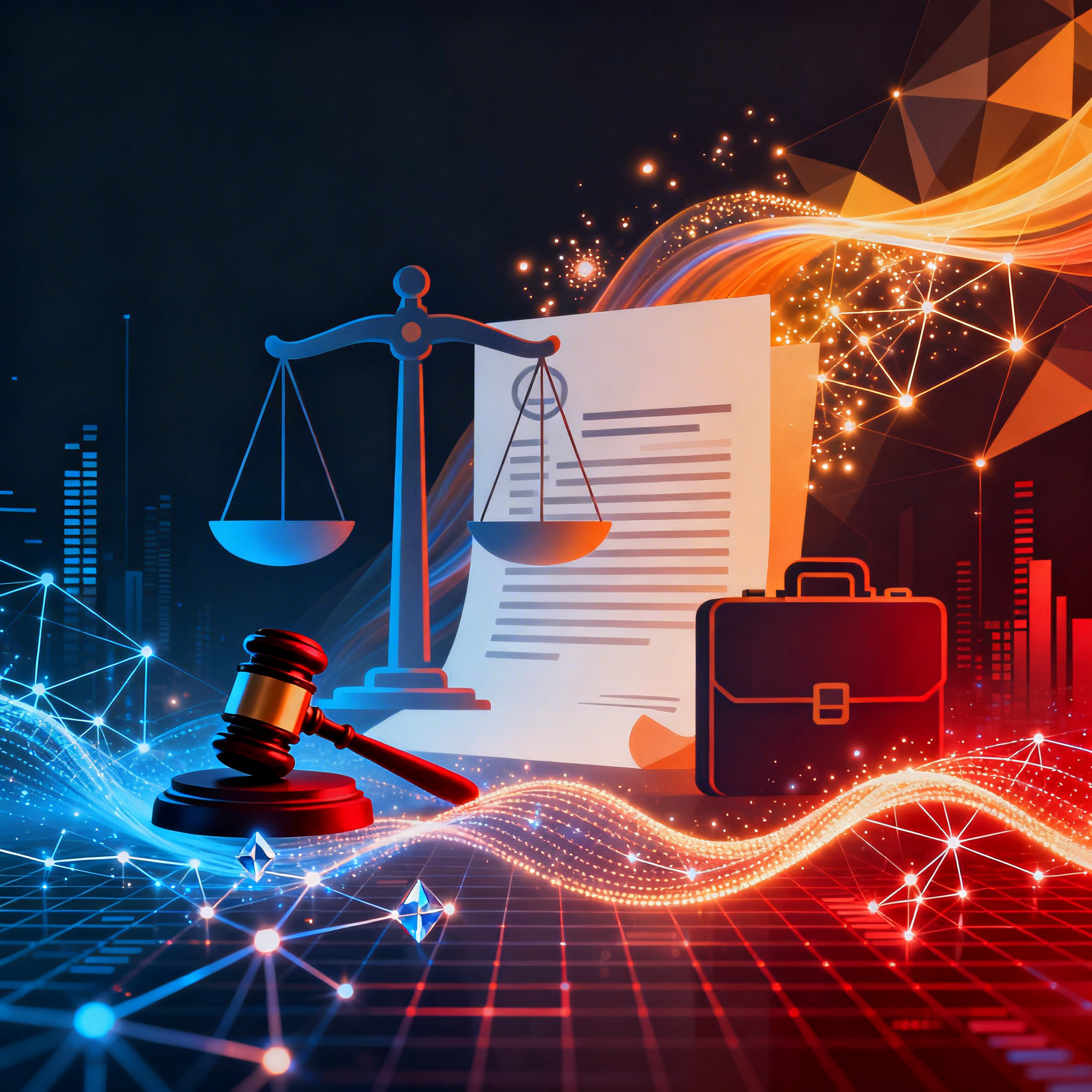
5 Ways RAG Transforms Legal Contract Analysis (And Why Law Firms Are Racing to Adopt It)
5 Ways RAG Transforms Legal Contract Analysis (And Why Law Firms Are Racing to Adopt It)
Every year, corporate legal teams spend an estimated 80% of their time on contract-related work. Associates burn through countless hours reviewing NDAs, parsing merger agreements, and hunting for liability clauses buried in hundred-page documents.
The promise of AI in legal work has been discussed for years. But until recently, the technology fell short of what lawyers actually needed—accuracy, context awareness, and the ability to cite sources.
That's where RAG for legal contract analysis enters the picture.
What Makes Contract Analysis So Challenging for Traditional AI
Before we explore how RAG solves legal contract challenges, it's worth understanding why standard AI approaches have struggled.
Legal contracts aren't like regular documents. They contain:
- Interconnected clauses that reference each other across sections
- Jurisdiction-specific language that changes meaning based on governing law
- Defined terms that must be tracked throughout the document
- Boilerplate text mixed with highly customized provisions
Traditional large language models (LLMs) face a fundamental limitation: they rely solely on their training data. When asked about a specific contract clause, they might generate plausible-sounding but ultimately incorrect interpretations.
This is unacceptable in legal work, where precision isn't optional—it's everything.
How Retrieval-Augmented Generation Changes the Game
RAG represents a paradigm shift in how AI handles specialized documents. Instead of relying purely on pre-trained knowledge, RAG systems retrieve relevant information from your actual documents before generating responses.
Here's why this matters for contract analysis:
The system first searches through your contract database, finding the most relevant clauses and provisions related to your query. Then it generates a response grounded in that retrieved context.
The result? AI that can tell you exactly where in your contracts a specific risk exists—and cite the clause number.
5 Ways RAG Transforms Legal Contract Analysis
1. Accelerated Due Diligence Reviews
M&A due diligence traditionally requires teams of associates spending weeks—sometimes months—reviewing thousands of contracts. They're hunting for change of control provisions, assignment clauses, and hidden liabilities.
RAG-powered systems can process entire contract repositories in hours. More importantly, they maintain accuracy because every answer traces back to specific document sections.
Recent research on optimizing RAG for contract analysis shows that properly configured retrieval systems can identify relevant clauses with remarkable precision, dramatically reducing the time senior lawyers spend on initial document review.
2. Consistent Risk Identification Across Contract Portfolios
Human reviewers, no matter how skilled, introduce inconsistency. One associate might flag a liability cap as problematic while another misses it entirely.
RAG systems apply the same analytical framework across every document in your portfolio. When you ask "Which contracts have unlimited liability exposure?" you get a comprehensive answer—not one limited by human fatigue or oversight.
This consistency becomes especially valuable for:
- Regulatory compliance audits
- Insurance policy reviews
- Vendor contract management
- Lease portfolio analysis
3. Intelligent Contract Comparison and Benchmarking
Legal teams frequently need to compare proposed contracts against their standard templates or market benchmarks. This traditionally requires side-by-side manual review.
With RAG, you can ask natural language questions like "How does this indemnification clause compare to our standard position?" The system retrieves both documents, analyzes the differences, and provides a structured comparison.
Studies on AI assistance in contract law demonstrate that retrieval-augmented approaches significantly outperform standard LLMs in identifying substantive differences between contract versions.
4. Contextual Question Answering with Citations
Perhaps the most transformative capability: asking questions about your contracts and receiving answers with specific citations.
Consider these queries:
- "What are our termination rights under the ABC Corp agreement?"
- "Which vendor contracts allow price increases without notice?"
- "Does our lease permit subletting to affiliates?"
A well-implemented RAG system doesn't just answer—it points you to the exact clause, paragraph, and page. This citability is crucial for legal work, where "the AI told me" isn't a valid defense.
5. Multilingual Contract Analysis at Scale
Global organizations manage contracts across dozens of jurisdictions and languages. Traditional review requires either translation or jurisdiction-specific legal teams.
Advanced RAG implementations for legal documents now support multilingual retrieval, allowing legal teams to query contracts in one language while the system searches across documents in multiple languages.
This capability is transforming how multinational corporations manage their contract portfolios—enabling centralized oversight without sacrificing local legal nuance.
The Technical Foundation That Makes Legal RAG Work
Effective RAG for legal contracts requires more than basic document retrieval. The system must understand legal document structure.
Chunking strategies matter enormously. Split a contract at the wrong point, and you lose the connection between a defined term and its usage. Research findings on optimizing RAG for contract analysis emphasize that legal-aware chunking—respecting clause boundaries and cross-references—dramatically improves retrieval quality.
Embedding models must capture legal semantics. The word "material" has different weight in a legal contract than in everyday language. Systems trained on legal corpora perform substantially better than general-purpose alternatives.
Retrieval must be hybrid. Pure semantic search misses exact term matches that matter in legal work. Combining semantic and keyword-based retrieval ensures both conceptual similarity and precise terminology are captured.
Real-World Implementation Considerations
Organizations implementing RAG for contract analysis face several strategic decisions:
Data Security and Confidentiality
Legal contracts contain some of the most sensitive business information. Any RAG implementation must address:
- Where document embeddings are stored
- Whether queries are logged
- Who has access to retrieved information
- Compliance with client confidentiality obligations
Integration with Existing Workflows
The most successful legal AI implementations don't replace existing processes—they enhance them. RAG systems should integrate with:
- Document management systems
- Matter management platforms
- E-signature workflows
- Contract lifecycle management tools
Quality Assurance and Human Oversight
Even the best RAG systems require human verification for high-stakes decisions. Emerging research on legal AI applications consistently emphasizes the importance of human-in-the-loop workflows, where AI surfaces relevant information but lawyers make final determinations.
The Build vs. Buy Decision
Here's where many legal technology initiatives stall: the complexity of building production-ready RAG systems.
A functional prototype might take weeks. But a production system that handles:
- Secure document ingestion and processing
- Scalable vector storage
- Reliable retrieval across large document sets
- User authentication and access controls
- Audit logging for compliance
- Multi-format document support (PDFs, Word, scanned images)
That takes months—and significant engineering resources.
Legal teams increasingly face a choice: invest heavily in custom development or leverage platforms purpose-built for document-intensive AI applications.
Building Legal Contract Analysis Solutions Faster
For organizations looking to deploy RAG-powered contract analysis without months of development, ChatRAG offers a compelling alternative.
The platform provides the complete infrastructure for building AI-powered document analysis applications—vector storage, retrieval pipelines, authentication, and deployment—pre-built and production-ready.
Particularly relevant for legal applications: ChatRAG's "Add-to-RAG" functionality allows users to continuously expand their knowledge base by adding new contracts and legal documents on the fly. Combined with support for 18 languages, it's well-suited for multinational legal operations managing diverse contract portfolios.
The embedded widget capability also enables firms to offer contract analysis tools directly to clients—a growing differentiator in legal services.
Key Takeaways
RAG for legal contract analysis isn't a future possibility—it's a present reality transforming how legal teams work.
The firms gaining competitive advantage are those moving beyond experimentation to production deployment. They're reducing due diligence timelines from weeks to days, identifying risks that manual review would miss, and freeing their lawyers to focus on judgment rather than document mining.
The technology foundation exists. The question is whether you'll build it from scratch—or launch faster with infrastructure designed for exactly this purpose.
Ready to build your AI chatbot SaaS?
ChatRAG provides the complete Next.js boilerplate to launch your chatbot-agent business in hours, not months.
Get ChatRAGRelated Articles
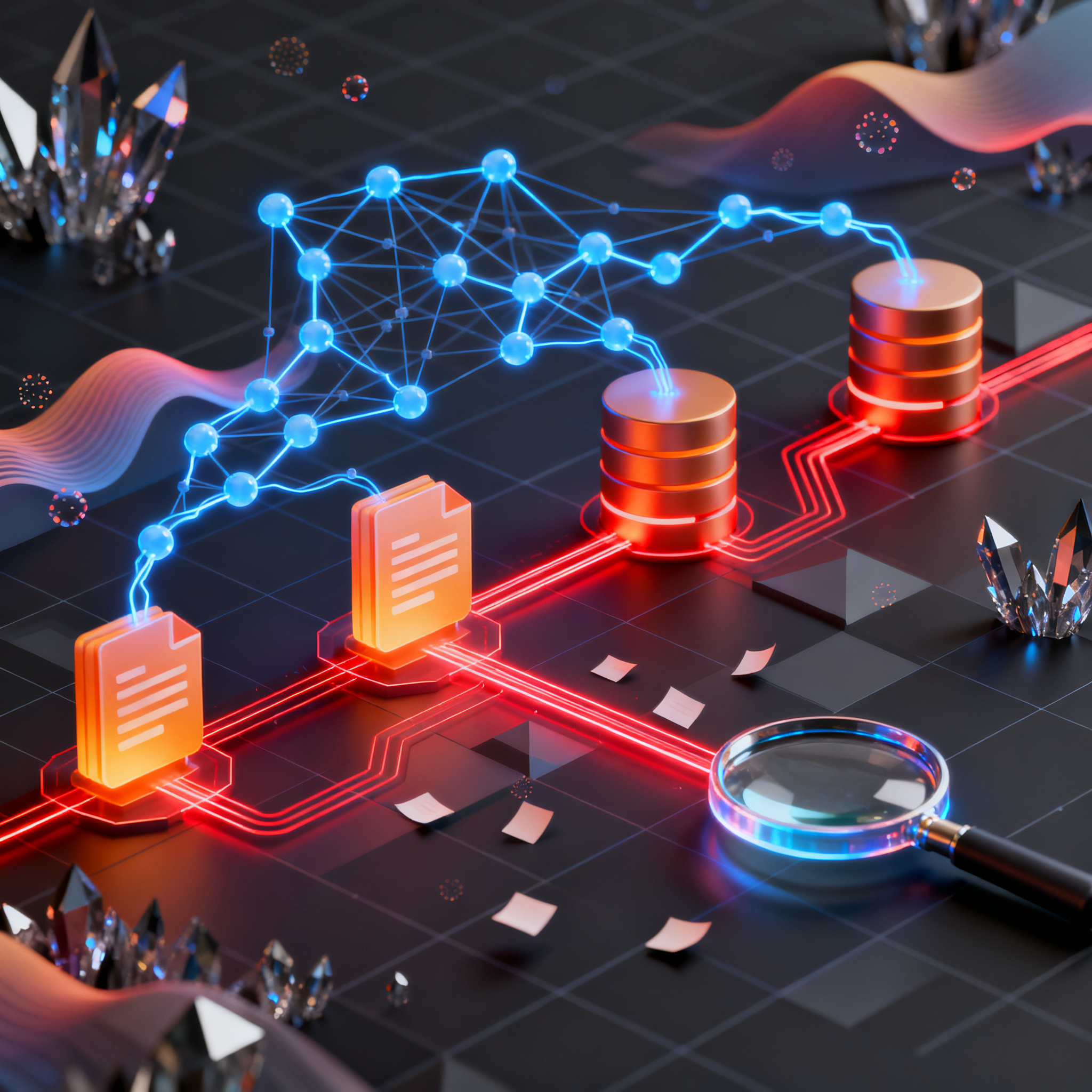
What is RAG and How Does It Work? 5 Key Components That Power Modern AI Chatbots
Retrieval-Augmented Generation (RAG) is transforming how businesses build AI chatbots by combining the power of large language models with real-time access to your own data. Learn how this architecture works and why it's become the gold standard for enterprise AI applications.
5 Ways RAG Transforms Legal Contract Analysis (And Why Law Firms Are Racing to Adopt It)
Legal contract analysis has long been a bottleneck for law firms and corporate legal teams. RAG (Retrieval-Augmented Generation) is changing that equation entirely, enabling AI systems that don't just read contracts—they understand them in context.
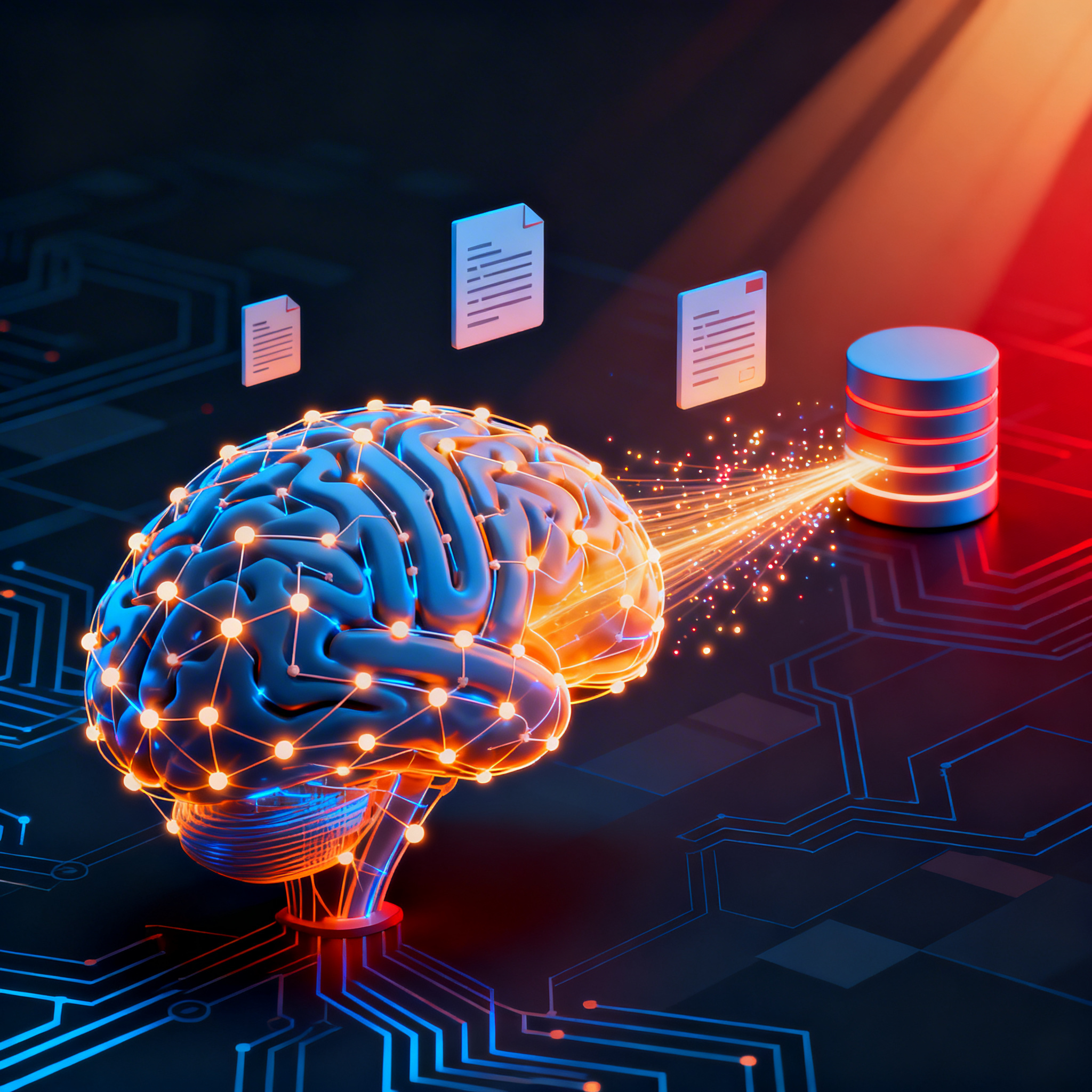
What is RAG? 5 Key Components That Make AI Chatbots Actually Useful
Retrieval-Augmented Generation (RAG) is the technology that transforms generic AI chatbots into intelligent assistants that actually know your business. Learn how RAG works and why it's essential for building production-ready AI applications.